


Devils Lake Chrysler Dodge Jeep Ram

Blog / Devils Lake Chrysler Dodge Jeep Ram Service

Benefits of Getting a Tire Rotation for Your Chrysler

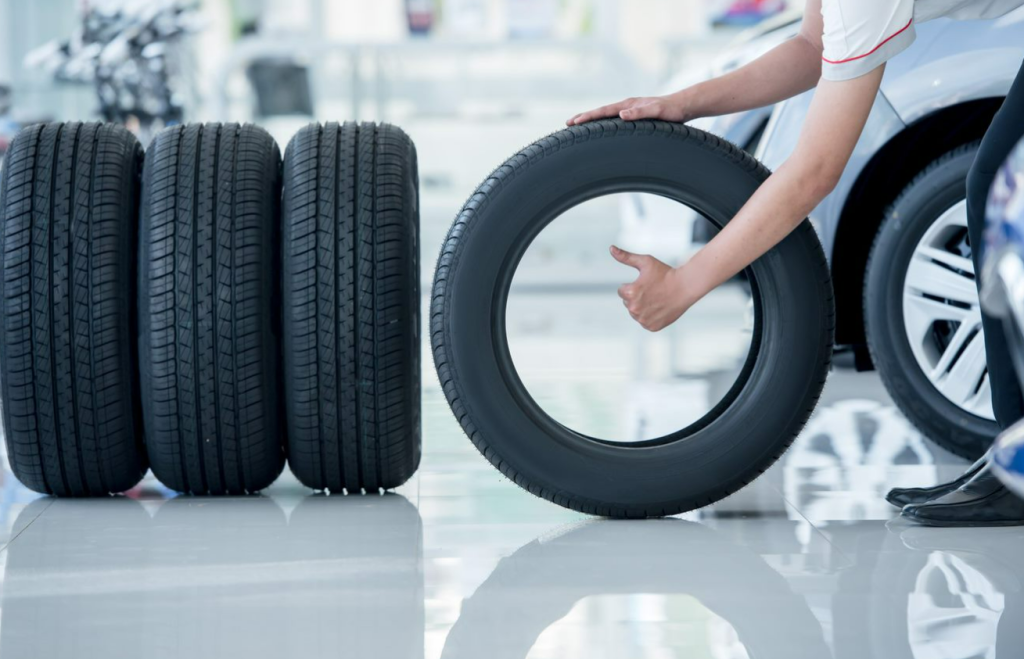
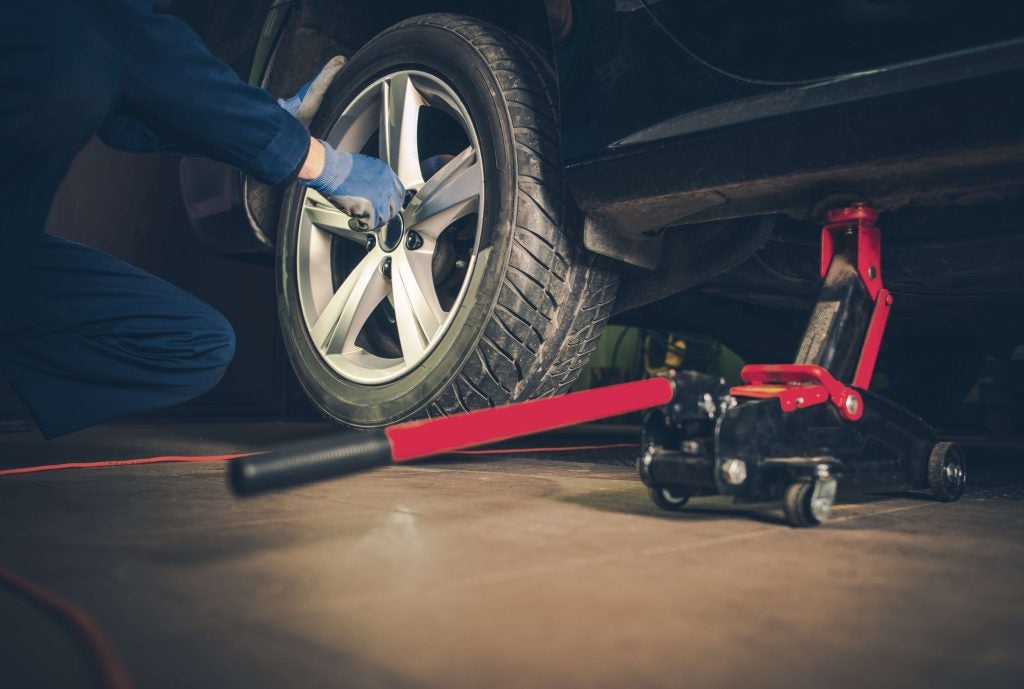
The weight and pressures of a vehicle on its tires aren't distributed in a perfectly even manner. As a result, car tires always begin to wear down unevenly, which can cause various problems unless the tires are rotated once or twice a year. Let's look in detail at the many reasons to have regular tire rotation around at your local Chrysler dealership.

Greater Tire Longevity

Uneven tire wear can be significant. It's possible for the front or back tires to wear down 50% faster than the others. This rapidly leads to one or two tires that are far more worn down and susceptible to damage. 

When one or two tires become too worn out to safely use, you usually need to replace all four. Regular rotation keeps your tires wearing down at a more even rate, thereby helping all four tires last in good shape for a lot longer. 

Considerable Savings on New Tires

If you can keep each new set of tires lasting a year or two longer with regular rotation, then you'll save a good deal of money on the cost of new tires. This might well amount to thousands of dollars over the lifespan of your car. 

Reduced Maintenance Costs

When tires become uneven, they generate more vibrations, which puts greater stress on the suspension. The unevenness also makes the wheels unequal in size, which puts further strain on the suspension and any other connected car parts. 

In this way, uneven tires cause harm to connected components and lead to more frequent problems and repair jobs. Rotation helps protect not only your tires, but also your suspension, wheel axles, and your wallet. 

Increased Road Safety

When tires wear unevenly, one or two of the tires become weaker with thinner treads. This makes them more susceptible to damage, losing traction, and blowouts. 

While you're on the road, all it takes is one tire to fail for an accident to ensue. By spreading wear and tear more evenly across all four tires, rotation reduces this risk and keeps you and your passengers safer.

Better Handling and Smoothness

Uneven tires generate more road noise and vibrations. Handling also steadily worsens as tires become unbalanced in size. So if you want to keep your car smoother, quieter, and easier to drive, make sure you don't miss a scheduled rotation at your local dealership.

How Your Chrysler Dealer May Rotate Your Tires

There are a variety of rotation patterns for tires, depending largely on whether the vehicle has front-wheel, rear-wheel drive, or all-wheel drive. Your technician might swap your tires in a rearward cross, forward cross, or X-cross pattern. Or they may do a simple front-to-back swap. 

Have your car's tires rotated today at Devils Lake Chrysler Dodge Jeep Ram. We're a local family-owned and operated dealership that's been helping out the region's drivers for an entire century, since 1923. 
Posted in:

Related Posts

2025 Jeep Gladiator | Devil's Lake, ND

Understanding Jeep's 4x4 Systems: Which Is Right for You?

Jeep 4x4 systems are diverse by design, giving drivers options that match how and where they like to explore. Here's a look at the ones available across the lineup. Understanding Jeep 4x4 Systems: Which Is Right For You? Command-Trac 4x4 System Command-Trac is a four-wheel drive system designed for use when needed. It offers four modes to handle nearly any driving condition. The first mode, 2H, is for everyday driving, where only the rear wheels are engaged. In 4H, all four wheels turn at the same speed, making it ideal for slippery or loose surfaces. more Selec-Trac 4x4 System This system adds a clutch pack in the center that lets the front and rear axles turn at different speeds. In 4H Part-Time mode, the Selec-Trac system functions similarly to the Command-Trac system, i.e., it locks both the rear and front axles. However, in 4H Full-Time mode, you can keep it engaged at all times because it allows all four wheels to move at different speeds. Put simply, it works like an all-wheel drive system when in Full-Time mode. Quadra-Trac I 4x4 System The Quadra-Trac I is essentially an all-wheel drive system. Quadra-Trac II 4x4 System The Quadra-Trac II expands on the Quadra-Trac I system with a two-speed transfer case that offers both full-time four-wheel drive and low-range capability. In normal mode, it splits power 48/52 front to rear, but can instantly send all engine power to the axle with better traction. In the low range, it uses a 2.72:1 reduction that evenly distributes power between the rear and front axles via a mechanical linkage. This system also features Hill Descent Control, which automatically applies the brakes for a smooth, controlled descent on steep terrain. Quadra-Drive II 4x4 System The Quadra-Drive II uses the same transfer case as the Quadra-Trac II system but adds front and rear electronic limited-slip differentials. This configuration enables it to send 100% of the power to the wheel with the most traction at any given moment. Rock-Trac 4x4 System This is Jeep's most hardcore 4x4 system. It shines in low range, using a heavy-duty transfer case with a 4:1 gear ratio and a 73:1 crawl ratio that allows it to climb as slowly as 0.5 mph over rocks. It also includes a disconnecting front sway bar for maximum wheel articulation. To see how these systems perform in the real world, schedule a test drive at Devils Lake Chrysler Dodge Jeep Ram in Devils Lake, ND.

Is It Time for New Tires From Your Chrysler Dealership?

It's easy to overlook the tires on your car. As long as you're safely reaching your destinations, there's not much to worry about, right? But there are signs you can watch for that signal your tires may be due for replacement. And when it's time for new tires, your local Chrysler dealership can help. Your Treads Are Worn When your tires are overly worn, it's time for a new set of tires. One way to test the depth of your treads is the penny test. Simply place a penny in the tread grooves of your tires with Lincoln's head pointing toward the inner part of your tire. If you can still see over the top of Lincoln's head, that's a sign that your treads have worn enough that a replacement set of tires is in order. Tread wear bars are another way of gauging the depth of your treads. Tread bars are raised sections of rubber that are embedded in the grooves of your tire. When the tread bars become even with the surface of your treads, it's time to seek out a new set of tires. Your Tire Pressure Is on the Decline It's normal for tires to deflate over time, but if your tires are consistently losing pressure or deflating without warning, it may be time to replace them. A steady decline in your tire pressure may signal that you have a slow leak in one of your tires. An inexpensive tire gauge is a great way of keeping an eye on the pressure of your tires. Your Tires Have Cracks or Bulges There are several physical signs that your tires need to be replaced, either because of age or wear and tear. Cracks in the rubber of your tires develop as a result of sunlight, heat, or the salt and chemicals applied to roads to melt ice and snow. Because they can cause your tires to lose air and eventually fail, cracks are a sign that you need to replace your tires. Bulges or blisters that appear on the walls of your tires are another concern. These can develop if you've hit a curb or a pothole, and they can put your tire at risk of potential rupture. If you spot cracks or bulges in your tires, you'll want to schedule a service appointment and have your tires evaluated soon. Your Tires Are Old If you've had your tires for a while, it's probably time for a fresh set even if your treads aren't overly worn. Most tires only last three to five years. The tires on your vehicle are an essential safety component. When it's time to schedule a tire service, call Devils Lake Chrysler Dodge Jeep Ram.

Does Your Chrysler, Jeep, Dodge or RAM Need a Transmission Repair From Your Jeep Dealer?

For vehicle owners, few issues can be as concerning as transmission problems. Transmission issues are some of the most expensive to fix, so recognizing when you might need a transmission repair from your Jeep dealer is crucial because the faster you deal with an issue, the more likely it is to stay small and prevent expensive repairs (or even replacement) later on. Are There Unusual Noises? One of the primary signs that your transmission may be in distress is unexpected noises. If you hear whining, clunking, or humming sounds when your vehicle is in neutral or while shifting gears, it's a potential red flag. These noises can be indicative of worn-out parts or lack of transmission fluid. Are Your Gears Slipping? Your vehicle should smoothly transition between gears. If you notice that your vehicle is unexpectedly changing gears without your input, or if it's struggling to stay in gear, this could be symptomatic of a transmission problem. Gear slipping can result from worn or broken bands that help control the gear action. Are You Experiencing Delayed or Rough Shifting? If there's a noticeable delay when shifting from park to drive or if your car jerks roughly when changing gears, these can be signs of transmission wear or low transmission fluid. A smooth transition is the hallmark of a healthy transmission, and any departure from this can warrant a closer look. Have Warning Lights Come On? Modern vehicles are equipped with sensors that monitor the health of various components. If the transmission temperature or check engine light illuminates on your dashboard, it could be related to transmission issues. While these lights can indicate various problems, it's essential not to ignore them. Again, if you catch a problem while it's small, it could be a really cheap fix. If you let it go on, you could have very expensive issues down the line. Are There Fluid Leaks or a Burning Smell? Transmission fluid is quintessential for the lubrication and cooling of your transmission components. If you find reddish-brown pools or spots under your vehicle, it's likely a transmission fluid leak. Additionally, if you detect a burnt odor while driving, it could be due to overheating of the transmission fluid due to friction. Either way, have the fluid checked by a professional. Addressing transmission issues promptly ensures that you enjoy optimal performance in your Chrysler, Jeep, Dodge, or RAM and avoid high-cost repairs. Contact us at Devils Lake Chrysler Dodge Jeep RAM when you notice any of these signs, and we'll keep your vehicle running smoothly.